
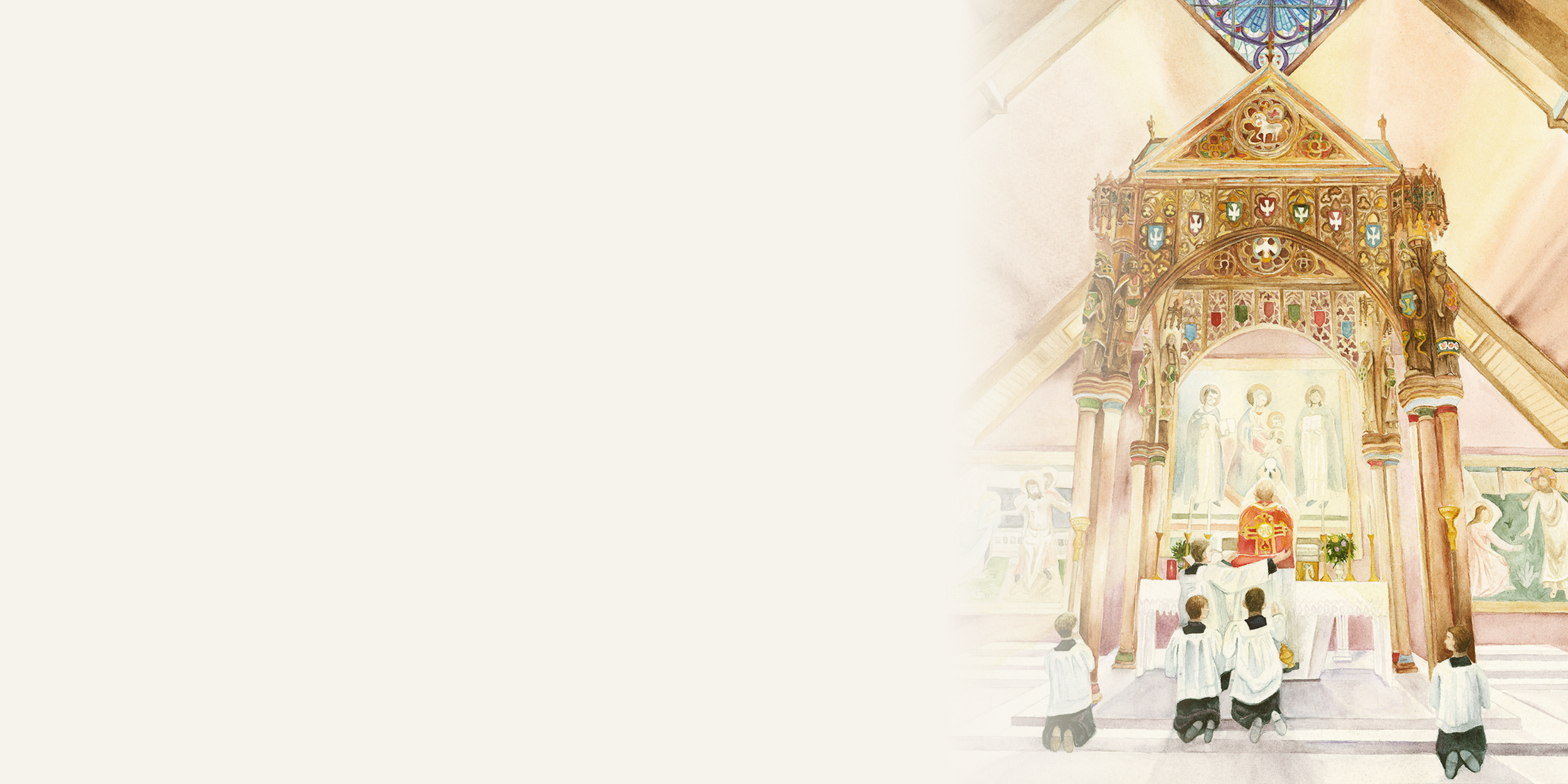
Catholic Watercolor Art Inspired by the Sacred Liturgy
Original watercolor paintings celebrating the Eucharist, the liturgical year, sacred architecture, and the beauty of Catholic tradition.
Lex Orandi, Prayer Shapes Belief
Paintings inspired by the sacred liturgy. For centuries, sacred art has helped Catholics contemplate divine mysteries and bring the beauty of the faith into their homes, churches, and communities.
Lux Benedicta creates original Catholic watercolor art inspired by the Eucharist, the liturgy, and the timeless traditions of the Church.
A collection preserving the memory of beloved sanctuaries and the traditions passed down for centuries.
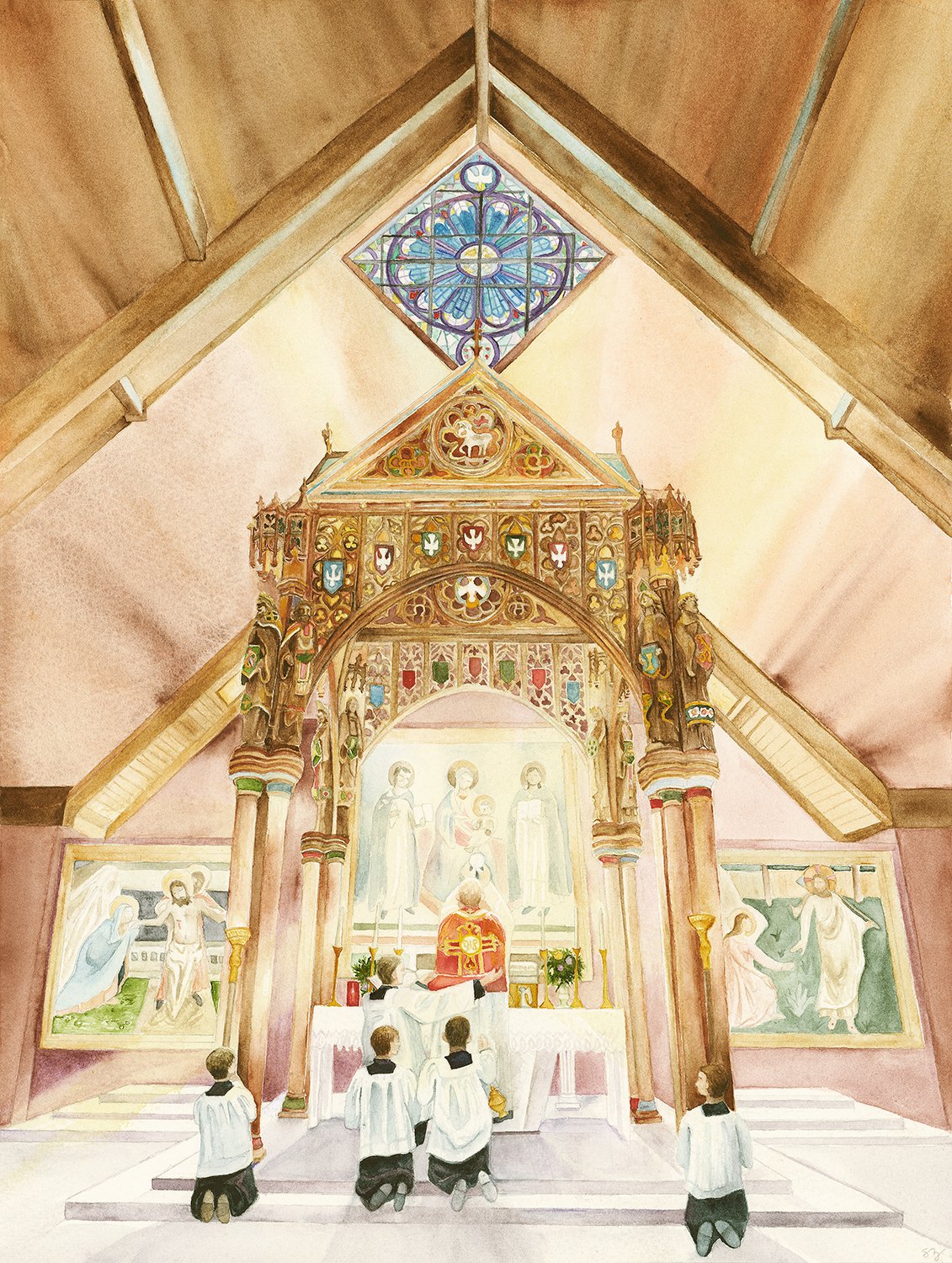

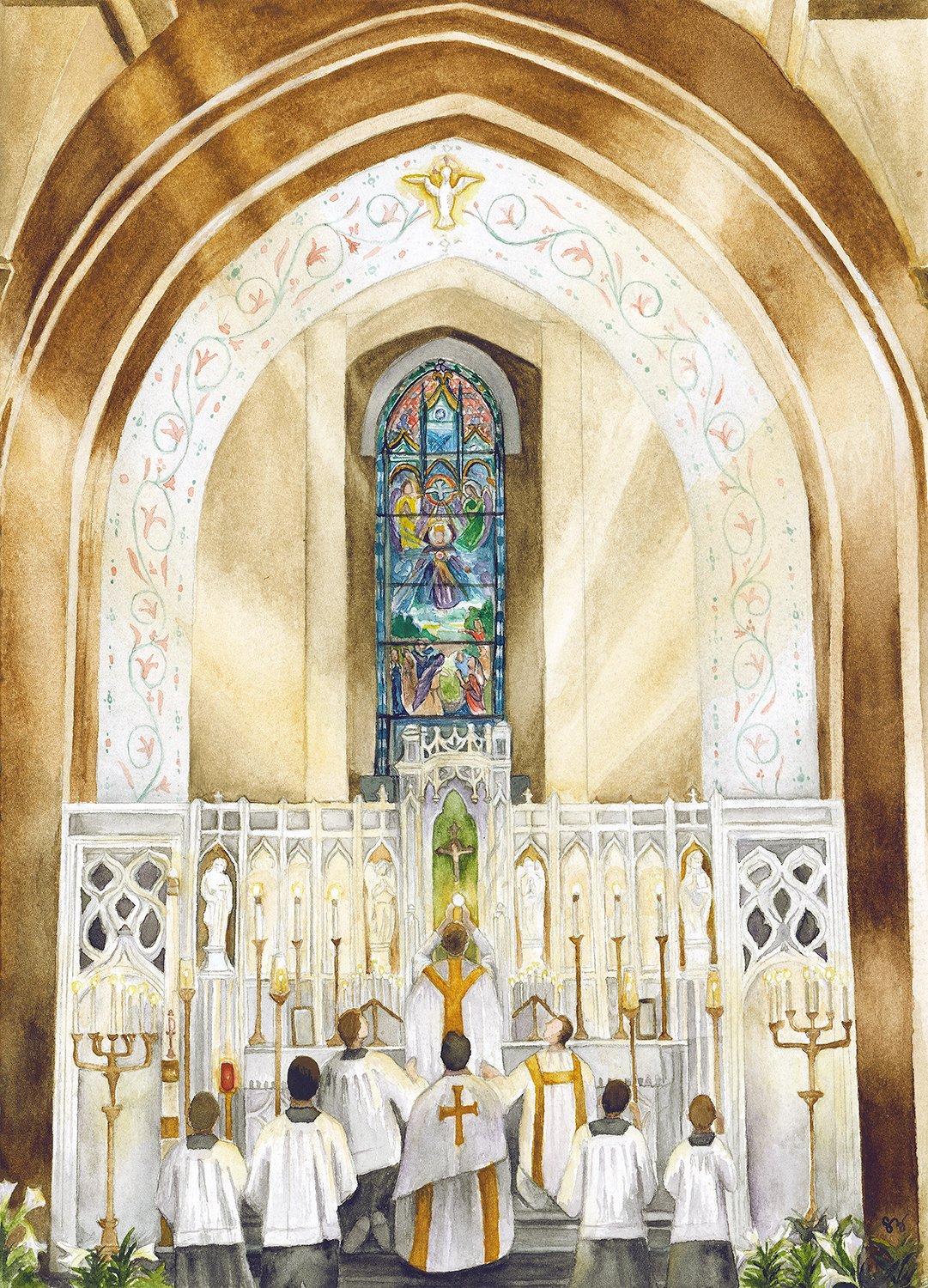
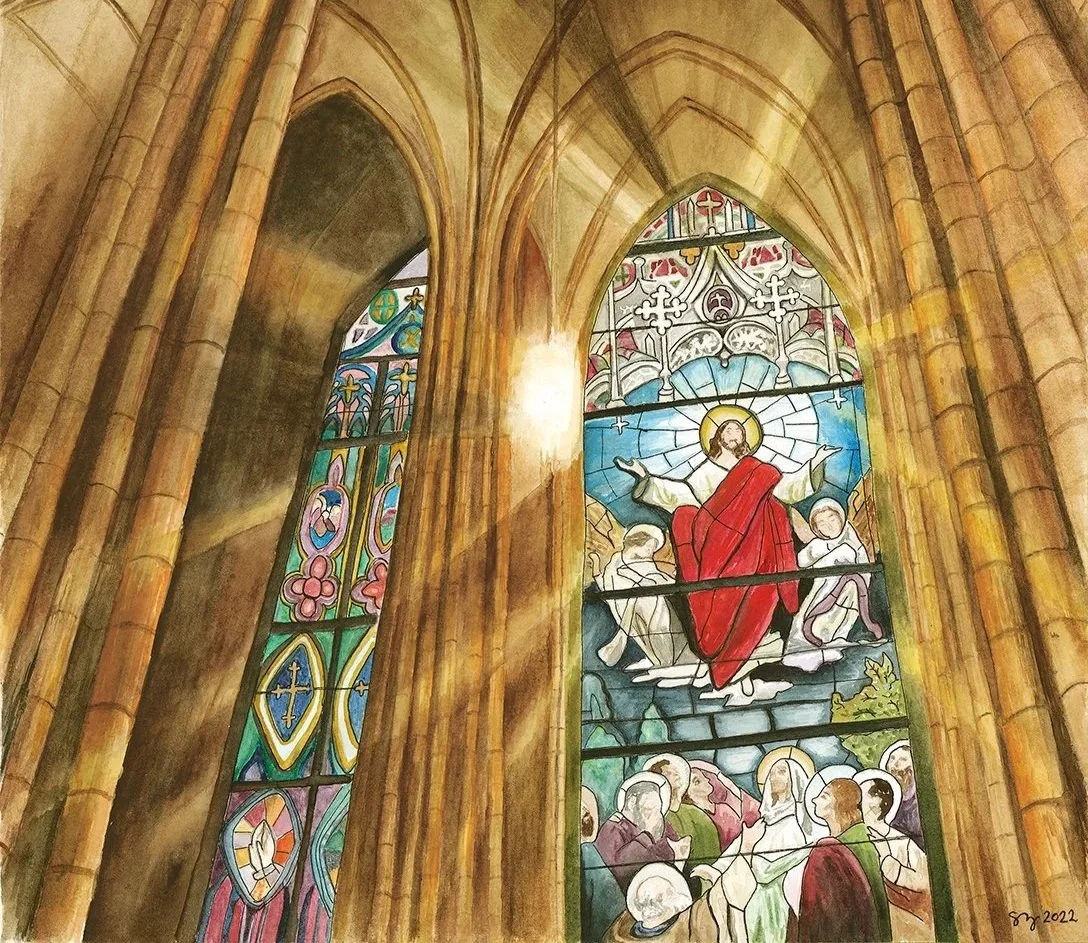
Works in Progress
What Is Catholic Watercolor Art?
From the frescoes of the catacombs to the stained glass windows of Gothic cathedrals, sacred art has always played an essential role in the life of the Church. Long before many of the faithful could read, images taught the truths of the faith, inspired devotion, and lifted hearts toward heaven. Sacred art was never merely decorative. It was intended to reveal something of the beauty, order, and mystery of God.
Catholic watercolor art continues this tradition in a unique and timeless way. Through light, color, and atmosphere, watercolor possesses a remarkable ability to convey reverence, contemplation, and wonder. Whether depicting the Holy Sacrifice of the Mass, the beauty of a church sanctuary, or a moment from the liturgical year, watercolor invites the viewer not simply to observe but to enter into prayerful reflection.
Throughout Christian history, artists have sought to make visible the invisible realities of faith. Icons, illuminated manuscripts, mosaics, and paintings served as windows into divine mysteries. In every age, the Church has recognized that beauty has the power to communicate truth in ways that words alone cannot. The great cathedrals of Europe were not built merely to shelter the congregation; they were designed to proclaim the glory of God through architecture, light, music, and sacred imagery.
This relationship between beauty and faith remains as important today as ever. In a culture often marked by distraction and noise, sacred art offers a moment of stillness. A painting hanging in a home can become a quiet reminder of God’s presence throughout the day. A depiction of the Eucharist may draw the mind back to Sunday worship. An image inspired by the liturgy can encourage prayer and contemplation long after Mass has ended.
The Church has frequently spoken about beauty as a path to evangelization. While arguments and explanations have their place, beauty often reaches the heart first. A person may encounter a painting and feel drawn toward something deeper before fully understanding why. Beauty awakens wonder, and wonder opens the soul to truth. For this reason, sacred art has long been considered an important companion to the Church’s mission of proclaiming the Gospel.
Watercolor occupies a distinctive place within this tradition. Unlike oils or acrylics, watercolor relies upon transparency and light. Layers build gradually, allowing luminosity to emerge from the paper itself. This quality makes watercolor particularly suited to sacred subjects. Light has always carried profound symbolic meaning within Christianity. Christ is the Light of the World. The Easter Vigil begins in darkness before the light of the Paschal Candle spreads throughout the church. The saints are often depicted surrounded by heavenly radiance. Through its delicate interplay of light and color, watercolor can communicate these spiritual realities with exceptional grace.
Many contemporary religious images focus primarily on individual devotional subjects, yet some of the most profound moments in Catholic life occur within the Church’s liturgical worship. The Mass, the sacraments, processions, feast days, and sacred seasons form the rhythm of Catholic life. They shape the way Catholics pray, believe, and encounter God. This is why liturgical imagery remains so important.
The ancient principle lex orandi, lex credendi—the law of prayer is the law of belief—reminds us that worship and faith are inseparably connected. What the Church prays influences what she believes, and what she believes is expressed through her worship. Sacred art participates in this relationship by helping preserve and communicate the beauty of Catholic worship across generations.
Paintings inspired by the Eucharist, Pentecost, Corpus Christi, the Easter Vigil, or the sacred architecture of historic churches do more than document events. They invite viewers into the mystery those events reveal. The elevation of the Host, the glow of sanctuary lamps, the soaring lines of a Gothic nave, and the prayerful silence of a congregation all speak of realities that transcend the visible world. Through art, these moments continue to inspire reflection long after they have passed.
For many Catholic families, sacred artwork also becomes part of the domestic church. Homes have always been places where the faith is lived, taught, and passed on to future generations. Catholic wall art can transform an ordinary room into a place that quietly reflects the family’s deepest values. A sacred image displayed in a living room, study, or prayer corner becomes a daily reminder of the presence of God and the beauty of the Catholic faith.
Likewise, Catholic art prints allow families to bring meaningful works of art into their homes in an accessible way. Whether displayed individually or as part of a larger collection, sacred art prints help create an environment that encourages prayer, reflection, and spiritual growth. They connect the life of the home to the life of the Church and remind us that faith extends beyond Sunday worship into everyday life.
Traditional Catholic art remains especially cherished because it draws upon centuries of artistic and spiritual heritage. It reflects continuity with the generations of believers who came before us while speaking to the needs of the present. In an age of constant change, sacred art rooted in tradition offers a sense of permanence and stability. It reminds us that the truths of the faith endure across time and place.
At Lux Benedicta, each painting is created with a desire to illuminate the beauty of Catholic worship and the mysteries at the heart of the faith. Through original watercolor paintings and Catholic art prints, we seek to celebrate the Eucharist, the liturgical year, sacred architecture, and the rich traditions that have shaped Christian worship for centuries. Our hope is that these works serve not only as art, but as invitations to contemplation, prayer, and a deeper appreciation of the beauty that leads souls toward God.